- Pro Commercial
- Posts
- February 2026: Progress, Planning, and What We’re Watching
February 2026: Progress, Planning, and What We’re Watching
February is off to a strong start at Pro Commercial. In this issue, we’re sharing a behind-the-scenes project update from Katie on Everhome Suites in Sioux Falls, plus a “Planning Ahead” look at three watchouts we’re seeing that can impact schedule and procurement in 2026.

Pro Commercial
February 05, 2026

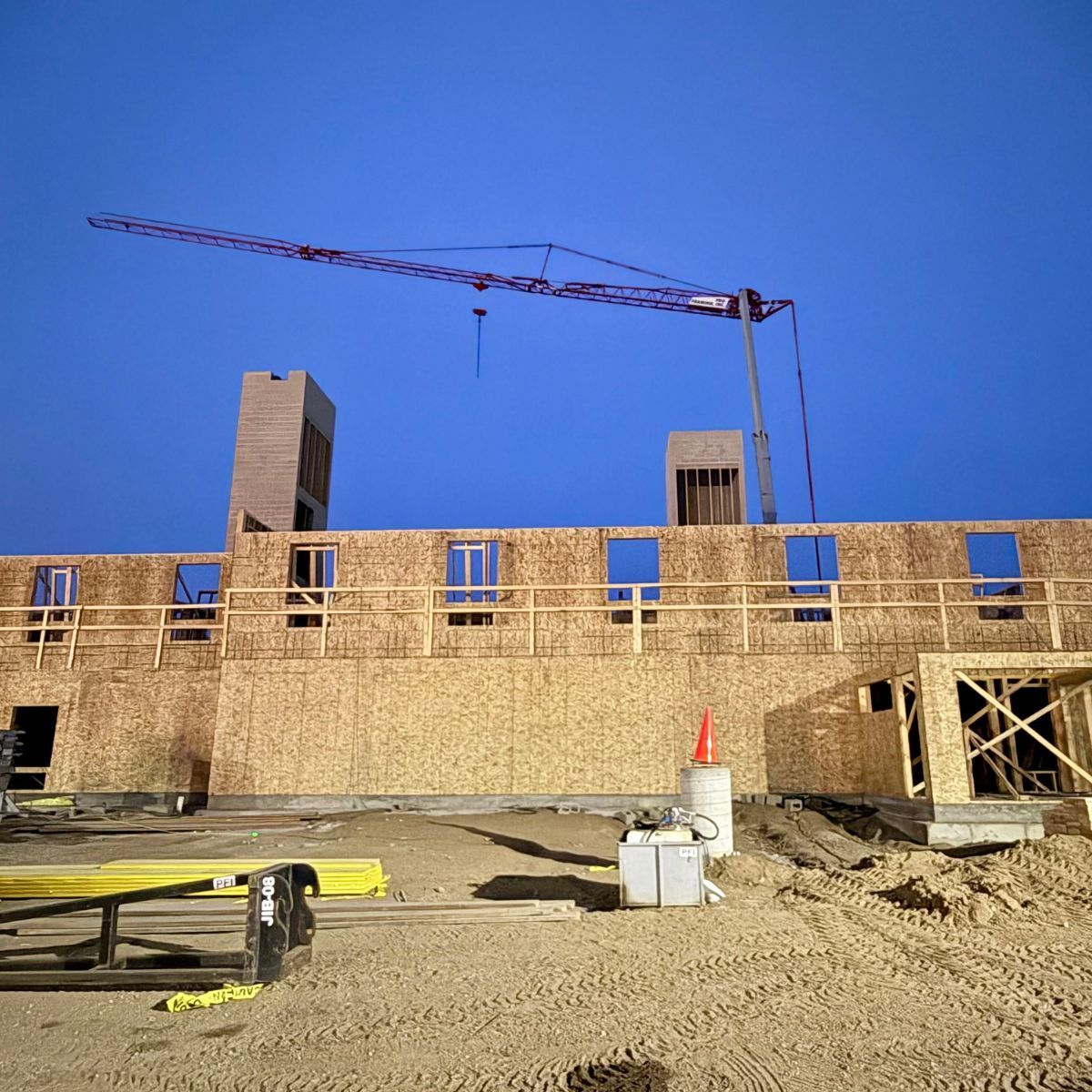
Project Manager Update: Everhome Suites Sioux Falls, SD
Senior Project Manager Katie Maki shares the latest progress on Everhome Suites in Sioux Falls—an extended-stay hotel under construction next to the 500-acre Sanford Sports Complex.
Project Overview
Everhome Suites is a four-story, 115-room hotel designed for guests traveling to Sioux Falls for sports, entertainment, business, and longer stays. The property will include studio and one-bedroom apartment-style layouts, plus amenities like 24-hour laundry, high-speed internet, pet-friendly rooms with an outdoor dog area, a 24-hour fitness center, and a patio terrace with grills, firepits, and green space.
January Progress
Set first-floor panels
Set and sheeted second-floor trusses
Began fire-rated drywall for stairwell construction
Installed and wired site lighting
Mobilized a tower crane to accelerate installation of wall panels and trusses
Where We Are Now
As we move into February, the team is focused on:
Second-floor wall panels
Third-floor trusses and wall panels
First-floor plumbing rough-in
Electrical room mock-ups
Beginning HVAC penetrations for venting
Planning Ahead: 3 Watchouts for 2026
Tariffs & material volatility
Material pricing has steadied compared to the last few years, but volatility still shows up—especially when tariffs, supply shifts, or manufacturer changes hit midstream. The best way to protect schedule is to reduce late decisions: finalize key specs earlier, confirm lead times before selections are locked, and pre-approve alternates so the team can pivot without losing weeks. It’s less about chasing the lowest number and more about keeping momentum when conditions change.
Data center + manufacturing demand pulling resources
In many markets, large manufacturing and data center work continues to absorb labor and production capacity. Even if you’re building hospitality or retail, you can feel the ripple effects—certain subcontractors and suppliers get booked out, and lead times can tighten with little warning. The practical hedge is early coordination: confirm availability during pre-construction, lock long-lead items sooner, and structure schedules to protect critical-path activities.
Permitting/inspection changes (city-by-city)
Permitting and inspections are highly local—and processes can change quickly based on staffing, digital plan review systems, or updated municipal requirements. A simple way to reduce friction is to treat approvals like a project within the project: connect with the Authority Having Jurisdiction (AHJ) early, submit complete packages (not partials), and plan inspection readiness to avoid re-inspects and downtime. It’s one of the most overlooked schedule drivers, especially on multi-state work.
Value Engineering Without Compromising Brand Standards
Value engineering works best when it’s proactive—not a scramble after bids come back high. In hospitality especially, the goal isn’t to cut corners; it’s to find smarter ways to meet brand intent while protecting budget and schedule. That can mean identifying acceptable alternates early, coordinating with designers and ownership before selections are locked, and focusing on items that don’t change the guest experience but do impact cost and lead time. When VE happens early and collaboratively, teams avoid late redesigns, reduce substitutions, and keep the project aligned with both brand standards and real-world constructability.
Closeout Reality Check: What Actually Happens in the Final 30 Days
The last month of a project is rarely “just finishing touches.” It’s when inspections, punch work, training, closeout documents, and owner/vendor coordination all stack up at once—and small delays can ripple quickly. The smoothest closeouts start early: confirm inspection sequences before ceilings and walls close up, schedule owner trainings in advance, and keep a running punch list so items don’t pile up at the end. Clear roles help too—who’s ordering what, who’s installing it, and who’s signing off—so the team isn’t waiting on one missing piece to turn a building over. A disciplined closeout plan protects the schedule and makes opening day feel controlled instead of chaotic.
(641) 257-9286